

Key mechanisms of PEA include its ability to heighten the release of norepinephrine and its influence on brain-derived neurotrophic factor (BDNF). This supports neurogenesis, the process of creating new neurons, which directly contributes to memory consolidation. Combined with adaptogenic aids like energy support cordyceps mushrooms, or wellness products designed for bliss mood support, individuals may experience long-lasting cognitive benefits with improved mental flexibility. These combinations help balance excitatory neurotransmission with relaxation, leading to an uplifted yet calm state. Additionally, compounds like NAD nasal spray or NAD boosters are sometimes incorporated to support cellular energy and optimize neurotransmitter pathways. Phenylethylamine (PEA) is a naturally occurring monoamine alkaloid and trace amine that plays a significant role in brain chemistry.
Cupid’s Arrow: How PEA Affects Our Brain
Nowadays other drugs like tricyclic antidepressants, which act differently, are the drug of choice, and they do not suffer from a cheese reaction. Tyramine and other trace amines have more recently been linked with cluster headaches. Phenylethylamine, in its simplest form, is a naturally occurring trace amine found in the human brain. It’s a chemical messenger that helps neurons communicate, much like serotonin in the brain.

Dopamine β-hdroxylase (DBH) is a Cu-based oxidoreductase that controls dopamine transformation into norepinephrine (Figure 2) in several neuron types (like adrenergic or noradrenergic ones) 140. Limited studies have been developed on the use of modified 2-phenethylamines to target DBH. Kruse et al. 141 developed 2-vinyl- and 2-alkynyl-based 2-phenethylamines with moderate vitro activities (Figure 9). Close to the previously described α-type, the β-adrenergic receptors are also activated by catecholamines norepinephrine and epinephrine.
Amino Acids Etc
Like its α-methylated derivative, amphetamine, PEA has stimulant effects which lead to the release of so called biogenic amines, including dopamine and serotonin (Bailey et al., 1987; Rothman & Baumann, 2006). Unlike amphetamine, PEA has difficulties maintaining high concentrations in the human body, due to its oxidative deamination to phenylacetic acid by the enzyme B monoamine oxidase (MAO) (Yang & Neff, 1973). Phenylacetic acid,has an effect that is similar to the activity of the natural endorphins, an effect that is known as a “runner’s high”. It should be noted that neither agent substituted for the other in tests of stimulus generalization, and that DOM lacks affinity for 5-HT1A receptors and 8-OH DPAT lacks affinity for 5-HT2 receptors. And, this conclusion was supported by being able to train the same group of animals to discriminate between the two optical isomers. However, technical difficulties precluded the use of this paradigm on a wide-scale basis.
Phenylethylamine Clinical Research
Dissatisfied with the patient outcomes using only conventional treatments, he began treating his patients by addressing biological imbalances with lifestyle improvements, nutrition and nutraceuticals to get better outcomes. Dr. Dave is passionate about helping the community he serves by personalizing treatments and educating the public about mental health and healthy aging. He has formulated several of our supplements and sat on the advisory board for many others, ensuring the products we carry are based on science and experience and have the best efficacy rates and highest ingredient quality available.
We’ve been using the NOW Supplements, L-Phenylalanine 500 mg for a few weeks and have noticed a significant improvement in our overall mood and energy levels. The vegan capsules are easy to swallow and don’t leave any unpleasant aftertaste. We appreciate that the product is soy-free, nut-free, vegan/vegetarian, non-GMO, egg-free, and dairy-free, making it a great option for anyone with dietary restrictions. Overall, we highly recommend the Biolife Bio-SLM am Supplement for those looking for a natural and effective way to support their weight loss and brain health. We highly recommend purchasing the Biolife Bio-SLM am Supplement for those looking for a natural and effective way to support their weight loss and brain health.
Side Effects & Dangers Of Phenethylamine
- While more research is needed, some preliminary studies have shown promising results in improving attention and reducing impulsivity in individuals with ADHD.
- Desipramine (Norpramin) can affect how quickly this protein clears phenethylamine.
- NAD, a crucial coenzyme, acts as a NAD booster, improving cellular energy while supporting mental clarity.
- Key mechanisms of PEA include its ability to heighten the release of norepinephrine and its influence on brain-derived neurotrophic factor (BDNF).
- Customers have mixed experiences with the supplement’s effectiveness, with some finding it great for weight loss while others report it doesn’t work as well as prescription alternatives.
- You definitely have to be careful about taking phenylethylamine with other stimulants.
Peroxisome proliferator-activated (PPAR) receptors are peroxisome receptors and subcellular organelles performing several tasks related to cholesterol and fatty acid metabolism. Several agents have been developed in relation to PPAR to address obesity, inflammation or neurodegenerative disorders (Figure 21, Table 8) 233,234. The dopamine transporter receptor modulates the availability of released dopamine in the synaptic space by relocating it back into the presynaptic cell. It serves as a main target for recreational drugs as well as psychostimulant and antidepressant drugs. Classically, DAT ligands are classified in amphetamine-type and cocaine-type structures 164. While cocaine-type molecules exert inhibitory binding to DAT, amphetamine-type ones are substrates that are effectively transported to the presynaptic neuron, stimulating efflux of cytosolic dopamine 165.
Mechanism Of Action
PEA has a nickname as the “love drug,” as it is found in chocolate and might even influence sex drive (thanks to the dopamine connection). As it increases a number of neurotransmitters in the brain, it is believed that it is effective at staving off the depression that might occur as a result of having a lack of these neurotransmitters in the brain. In fact, some researchers surmise that a daily dose of Phenylethylamine, combined with some other antidepressants may reduce depression symptoms in more than half of all individuals who take it.
We Implement Proven Measures To Keep Your Data Safe
Overall, the question has been raised where to go from here (Artigas, 2013) and a need for the novel approaches to depression treatment is evident. The study by Xie and Miller (Xie & Miller, 2008), that had shown that PEA altered the serotonin transporter by interacting with TAAR, may point towards a safer alternative to SSRI treatment of depression in the form of PEA. Two different pathways that lead to the chemical synthesis of PEA have been established in the 40s and 50s of the past century. First, PEA is produced by reduction of a nitrile into an amine (Robinson & Snyder, 1955).
Tejler et al. 172 described the synthesis of lactose derivatives, such as 121 with the phenethylamine moiety by 1,3-dipolar cycloadditions, with selective galectin-1 inhibition (Figure 14). More advanced DBH inhibitors are constituted by imidazolethione amines, such as etamicastat 142,143, nepicastat 144 or zamicastat 145, with low resemblance to dopaminergic amines. This review is divided in sections covering those molecular targets where 2-phenethylamines were found to be biologically relevant. Medicinal chemistry leads and state-of-the-art research on novel molecules are described here. This section collects any data citations, data availability statements, or supplementary materials included in this article. It is a plant flavonoid that is used as a supplement to treat various health conditions.
- Dr. Dave is passionate about helping the community he serves by personalizing treatments and educating the public about mental health and healthy aging.
- Research has shown that PEA levels may be altered in certain conditions, potentially contributing to or reflecting underlying neurochemical imbalances.
- In particular, collaborators Dr. Richard Young and Dr. Małgorzata Dukat deserve special recognition for their critical scientific input and assistance with many of these studies.
- It is advised to start with a modest dose of PEA and gradually increase it, as well as to avoid taking it with other medications that can interfere with it.
- The relationship between PEA and dopamine is so intertwined that understanding one inevitably leads to insights about the other.
While it’s unlikely to when taken in moderate doses, in high doses it may cause a positive test result for amphetamine/methamphetamine. While it won’t get you high, taking too much can cause side effects similar to those caused by the drug amphetamine, especially if taken with medications that alter neurotransmitter levels. Phenylethylamine dosage recommendations depend on your current health, body size and medical history. Start with a low dose, and work your way up to a higher dose if you require more to feel any effects. While small amounts of PEA are found in some foods, taking PEA supplements is the best way to increase levels.
5-HT6 Receptor Ligands
Phenylethylamine (PEA, 2-phenylethylamine, beta phenylethylamine / β-phenylethylamine, phenethylamine) is a trace amino acid. Your brain naturally converts L-Phenylalanine into Phenylethylamine (PEA). Phenylethylamine supplements may cause side effects such as headaches, nausea, and increased heart rate. It is important to discontinue use and seek medical attention if any adverse reactions occur. Stimulus generalization was demonstrated to be time-dependent, with the phenolic compounds having a longer onset of action time (decreased ability of the agents to penetrate the BBB?).
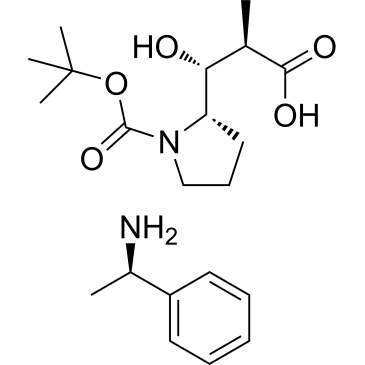
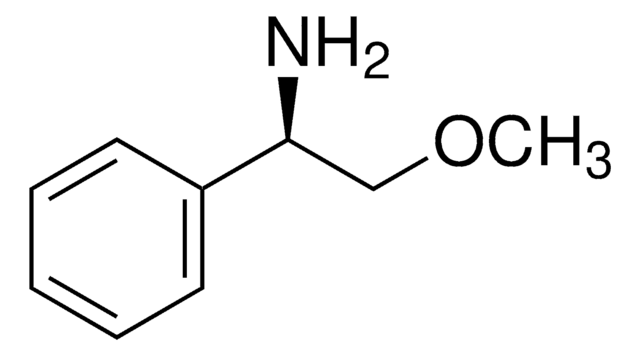
For amperometry recordings, we used the BY250 strain (gift from Dr. Blakely, Vanderbilt University) expressing cytosolic GFP under the control of the dat-1. You can also call it 4-hydroxyphenethylamine, but its IUPAC name of 4-(2-aminoethyl)phenol, though logical, is perhaps not so intuitive. Strictly, it should be called 2-phenylethylamine, or β-phenylethylamine, to distinguish it from its isomer, 1-phenylethylamine, or α-phenylethylamine; this has a chiral carbon atom and thus exists as optical isomers, unlike 2-phenylethylamine. Because the -NH2 group isn’t bonded directly to the benzene ring (as it is in phenylamine), the diazonium ion formed from phenylethylamine is not stabilised by interaction with the aromatic π-system. The potential therapeutic applications of PEA are still being explored, but they’re certainly intriguing. Some researchers are investigating whether PEA could be used as an adjunct therapy for depression, anxiety, or ADHD.