
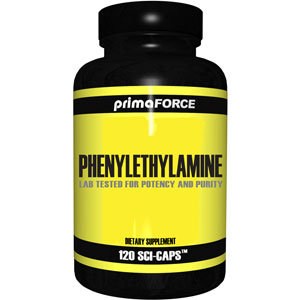
And using PEA, especially with a MAOI helps restore dopamine, the brain chemical called serotonin, and other neurotransmitters that are typically depressed with age. Neurohackers report taking a monoamine oxidase inhibitor (MAOI) supplement 15 minutes before a PEA dose and the effects should last about 2 hours. This means that PEA stimulates the release of dopamine, norepinephrine, and serotonin in the brain. But unlike stimulant drugs like amphetamine, which release a flood of these neurotransmitters in an uncontrolled manner.
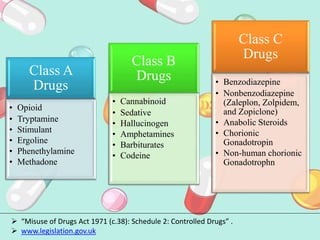
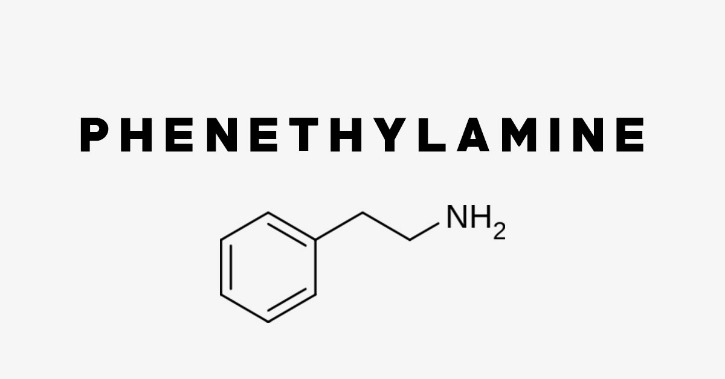
- Phenylethylamine (PEA, 2-phenylethylamine, beta phenylethylamine / β-phenylethylamine, phenethylamine) is a trace amino acid.
- As a central nervous system Stimulant, Phenethylamine stimulates the body to create some chemicals that may help with depression and other mental illnesses.
- Based on recent research, it seems to defend against depression, poor attention span and even weight gain, especially when coupled with other lifestyle changes and treatments.
- It is also worth noting that these effects will not necessarily occur in a predictable or reliable manner, although higher doses are more liable to induce the full spectrum of effects.
- Psychostimulants such as amphetamine act as ‘releasers’ of norepinephrine and dopamine, which stimulate the sympathetic nervous system.
- It can improve motivation to exercise and boost energy levels due to its uplifting, stimulating effects, and this may contribute to health benefits such as reduced inflammation and better quality of life into older age.
The appropriate dosage of phenethylamine for nootropic use can vary based on individual needs, tolerance, and goals. Standard dosages for cognitive enhancement and mood support generally range between 100 mg and 500 mg per day. It is important to start with a lower dose to assess tolerance, especially since PEA’s effects can be potent and short-lived. In the body, phenethylamine is rapidly broken down by the enzyme monoamine oxidase B (MAO-B). This short half-life means its effects are brief unless combined with MAO-B inhibitors, which slow down its degradation. Substitutions to the phenethylamine molecule give rise to a group of compounds collectively known as substituted phenethylamines or phenethylamines.
What To Know Before You Take Herbal Supplements
This structure allows PEA to interact with various receptors and enzymes in our nervous system, influencing neurotransmitter activity. 2C compounds share some similarities with other stimulants, like amphetamines or cocaine, which, if combined, can increase the risk of cardiovascular issues, such as elevated heart rate and blood pressure. Activation of TAAR1 receptors inhibit the uptake and induces the release of dopamine, norepinephrine, and serotonin. Mice were anesthetized under avertin (200 mg/kg, i.p.) at 10 min after administration of saline or β-PEA (50 mg/kg, i.p.) based on the results of locomotor and USVs, and brains were rapidly removed. The brain was serially cut using a stainless-steel coronal brain matrix (Roboz Surgical Instrument Co., Inc., Gaithersburg, MD, USA) on ice, and the dorsal striatum was collected bilaterally. The tissues were transferred to a mixture of RIPA buffer (Thermo Fisher Scientific, Waltham, MA, USA) and protease and phosphatase inhibitor cocktails (Thermo Fisher Scientific, Waltham, MA, USA), homogenized and incubated on ice for 1 h.
Comparative Pharmacology Of Amphetamine, MDMA And 4-MMC: Dopamine & Duration Of Action
Most importantly, it is used for weight loss, sports performance, and improving mood and concentration. Taking phenethylamine as a supplement can help those who cannot produce enough phenethylamine naturally. However, using too much of phenethylamine may cause side effects that are known to be similar to those of amphetamine (2)(3). As mentioned above, others have evaluated the abuse potentials of β-PEA by measuring the behavioral and neurochemical changes in rodents; however, the mechanism underlying this effect is unknown. Therefore, in this study, we demonstrated the effects of β-PEA on addictive behaviors and emotional states and revealed the mechanisms underlying β-PEA-induced addictive-like behaviors in rodents.
David Tomen
SSRI function by blocking the serotonin transporter and thus inhibiting the re-uptake of serotonin (Gutman & Owens, 2006; Peremans et al., 2006). This will result in an increase of the synaptic concentration of serotonin (see Illustration 3). However, SSRI act very slowly at the beginning of the treatment, while exhibiting a range of side effects upon long term use. These long-term side effects include insulin resistance (Chen et al., 2012), bone density loss (Haney et al., 2007), and some poorly understood effects on the offspring of mothers with maternal depression (Olivier et al., 2013). Overall, the question has been raised where to go from here (Artigas, 2013) and a need for the novel approaches to depression treatment is evident.
Figure 14
Based on these findings, one could speculate that β-PEA also produces a positive affective state via stimulation of the striatal dopaminergic system. The dorsal striatum is a forebrain structure of the basal ganglia circuit that receives dopaminergic projections from the substantia nigra or ventral tegmental area 25. As mentioned above, the activation of these dopaminergic pathways plays a crucial role in addictive drug-mediated motivation and reward behavior through DA-receptor-mediated neurotransmission 26,27. In particular, DAD1R-mediated signaling is important in addictive-like behaviors 28,29. In support of this, amphetamine-induced locomotor activity was significantly attenuated in DA D1-deficient mice 30, and the rewarding effect produced by cocaine or methamphetamine was blocked by a D1R antagonist in a conditioned place preference (CPP) study 30.
Novel Phenethylamines And Their Potential Interactions With Prescription Drugs: A Systematic Critical Review
While ADHD is usually diagnosed by observing behavior, some scientists are researching whether measuring phenylethylamine in urine samples might also be useful 26. SelfHacked has the strictest sourcing guidelines in the health industry and we almost exclusively link to medically peer-reviewed studies, usually on PubMed. We believe that the most accurate information is found directly in the scientific source.
- As phenethylamines gets popular, young individuals have been catching fun with these compounds in rave and slub environments.
- This potential impact on weight management has led to interest in PEA as a natural supplement for supporting healthy body composition.
- Consistently, our results demonstrated that acute β-PEA administration at a dose of 50 mg/kg significantly increased the frequency of 50-kHz USV calls.
- We believe that the most accurate information is found directly in the scientific source.
- In the 1980s and 1990s, Alexander Shulgin, a biochemist and pharmacologist, reported the synthesis of numerous new psychoactive compounds.2This included the ‘D series’ (e.g. DOC, DOI) and the ‘2C series’ (e.g. 2C-T-7, 2C-T-2) of phenethylamines.
Physiological And Psychological Effects Of Phenylethylamine
While results from vary from person to person, some report that supplementing can make an immediate and noticeable impact on their energy levels and mood. This molecule is capable of acting as natural antimicrobial against certain pathogenic strains of bacteria, including Escherichia coli (E.coli), which is why it’s sometimes used to preserve meats and other foods. Research tells us that people who have low levels of this chemical may be prone to experiencing depression, poor attention span and other psychiatric conditions. The information in our articles is NOT intended to replace a one-on-one relationship with a qualified health care professional and is not intended as medical advice. This repository is under review for potential modification in compliance with Administration directives. The opinions expressed in this section are solely those of the users who may or may not have medical or scientific training.
What Are Phenethylamines?
Cohen and Wittenaur25 examined this in detail and concluded that both 5-HT and tryptamine contracted rat fundus by acting on the same population of 5-HT receptors, but via receptors that were distinct from brain 5-HT1 or 5-HT2 receptors. This caused us to seriously question the relationships we had identified between peripheral fundus 5-HT receptor affinity and human hallucinogenic action or central DOM-like stimulus activity. Arylalkylamines (Ar-Cn-N, where n is any whole number) represent one of the most frequently encountered structural scaffolds found amongst pharmacologically- and physiologically-active, naturally-occurring or synthetic substances.
Understanding the pharmacology and toxicology of these agents is essential in order to provide the best medical care for these patients. This review focuses on the pharmacology, pharmacokinetics, clinical effects, and treatment of 2C drug intoxication based on available published literature. Multiple names under which 2C drugs are sold were identified and tabulated. Common features identified in patients intoxicated with 2Cs included hallucinations, agitation, aggression, violence, dysphoria, hypertension, tachycardia, seizures, and hyperthermia. 2C drugs are a group of designer intoxicants, many of which are marketed as legal, but may carry risks that consumers are unaware of.
Treatment
However, it wasn’t until the mid-20th century that researchers began to unravel its significance in human physiology. PEA is not only produced within our bodies but is also found in various foods, particularly in chocolate, certain cheeses, and fermented products. This natural presence in our diet has led some to dub PEA as the “love drug” or “chocolate amphetamine,” hinting at its mood-enhancing properties.
Ring-substituted phenethylamines, commonly known as 2Cs, are designer drugs that are emerging as new drugs of abuse. Currently, the amount of published literature concerning 2Cs is limited. There are a few 2Cs that have been studied, i.e., 2C-T-7, 2C-B, and 2C-E, so information about the pharmacology, pharmacokinetics, and pharmacodynamics, while low in volume, is becoming available. A syndrome consistent with excited delirium including severe agitation, aggression, violence, seizures, and hyperthermia is consistently depicted in lethal 2C cases.