

This technique replaces patient plasma with donor plasma, allowing the removal of potential endothelial damaging agents or autoantibodies, and the replacement of certain molecules essential for endothelial function, such as ADAMTS13 10. For each entity, pathophysiology, clinical features, therapeutic approaches and prognosis will be covered. This patient was also tested for quinine-dependent, platelet-reactive antibodies, since quinine may be used to dilute cocaine.
Who Can Get TTP And HUS?
- At least one case reported successful use of eculizumab, but the patient also presented a complement protein mutation 41.
- However, the role of these interactions and how they result in the psychedelic experience continues to remain elusive.
- Among these 177 patients, quinine was the most commonly reported drug (in 44 patients).
- Failure of TMA to resolve upon delivery is suggestive of other etiologies.
- The best therapeutic approach is repletion of Vitamin B12, folate, CoQ-10, and carnitine.
- In summary, other studies are needed to confirm a potential role of TFE and RTX in DITMA.
Patients with acute GVHD after HSCT present high levels of plasma markers of endothelial injury, indicating a probable link between endothelial lesion and the development of both GVHD and HSCT-TMA 8,106,112. Immunotherapy is an emerging strategy to treat solid and hematologic malignancies, improving overall survival. Immune checkpoint inhibitors (CPIs) are part of this class of drugs, consisting of monoclonal antibodies that target inhibitory receptors expressed on T cells 85. Some authors reported favourable results using eculizumab in carfilzomib-induced TMA. In those cases, ADAMTS13 activity was normal, suggesting a pathophysiology similar to aHUS, with complement overactivation 83.
Criteria For Evaluation Of Oklahoma Registry Patients
Retrospective studies that showed superior results when compared to plasmapheresis were based on small samples 100, 101, 102, 103, 104. Worse outcomes were described in patients with higher sC5b-9, with a lower likelihood to respond to treatment 103. More recently, Jodele et al. 103 showed a 50% rate of complete response to eculizumab, with severe disease being less responsive, which could suggest the existence of other targets of endothelial injury pathways. Besides, eculizumab comes with several challenges, namely the cost, timing of initiation, patient selection, dosing and duration of therapy 93,102.
The moderate therapeutic success achieved with eculizumab has led to investigation of other targeted therapies that act on various stages of the complement system. Some studies, still on phase II/III, already show encouraging results 93. The clinical spectrum of kidney adverse effects of VEGF inhibitors (VEGFi) is composed by a new-onset or exacerbation of HTN, proteinuria (sometimes in nephrotic range) and TMA with severe AKI.
The Pharmacist’s Role In Palliative And End Of Life Symptom Management (Pharmacy Technician Credit)
During TPE, platelet count, haemolysis lab tests and renal function should be carefully monitored. In summary, other studies are needed to confirm a potential role of TFE and RTX in DITMA. Features of TMA can be observed in up to 40% of patients with malignant hypertension, viewed as the proverbial vascular damage from shear stress. Patients with clear precipitants such as cocaine use usually respond to antihypertensives with quick resolution of TMA. However, there is growing evidence that complement activation is the underlying disorder behind the majority of malignant hypertension cases, particularly in young patients. Genetic testing is recommended in all patients with recurrent episodes of hypertensive emergency, TMA, and progressive kidney disease.

Risk Factors And Pathophysiology
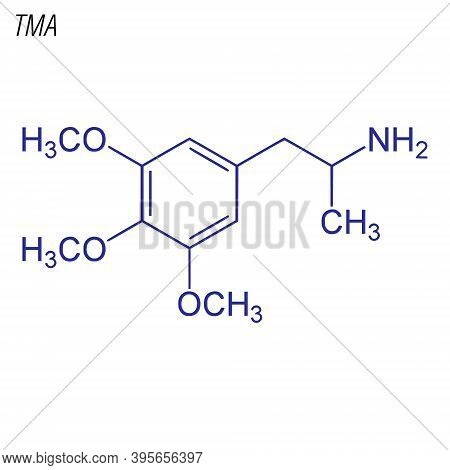
This was thus called TMA-2 as the second of the six possible positional isomers found to be psychotomimetic. TMA-2 was reported to possess some 20 times the potency of mescaline and is the most active of the six isomers of TMA. TMA-1 was the first psychotomimetic drug synthesized in 1947 by modifying the structure of mescaline on the basis of the principles discovered in studying the relationships between chemical structures and biological activity, and has about twice the potency of mescaline. At the present moment, there is no solid evidence supporting any particular therapeutic approaches. Randomized controlled trials, an especially difficult achievement in a field like this, would be the only way to make it possible to recommend a specific therapy. There is no evidence on plasmapheresis for treatment of monoclonal gammopathy in this setting.
Drug-Induced Thrombotic Microangiopathy Resulting In ESRD
Two cases of TMA, one in a patient receiving the immune checkpoint inhibitor ipilimumab, and one in a patient treated with multi-targeted receptor tyrosine kinase inhibitor pazopanib have also been reported. However, these reports differ from other DITMAs, due to the severe ADAMTS13 deficiency (7, 16). Chemotherapeutic agents were the first to be implicated in causing DITMA. Mitomycin and gemcitabine have numerous reports of dose-related DITMA, while one report describes an immune-DITMA as a result of gemcitabine administration (19–26).
Shaping The Future Of Generalized Myasthenia Gravis Management: A Focus On Novel Treatment Approaches
Presently, they are used in several monoclonal gammopathies 56, including multiple myeloma 13,75, 76, 77. NCI defines targeted therapies as “drugs or substances that block growth and spread of cancers by interfering with specific molecules involved in tumor growth and progression”. In the last decade, there has been a revolution in the development of these anticancer drugs. TMA is a potential adverse effect when the targeted molecule interferes with endothelial homeostasis 61. Carboplatin has very few cases reported, mostly in coadministration with drugs like gemcitabine, docetaxel or trastuzubam 51, 52, 53.
- Drug-dependent antibodies were also identified in one patient with suspected oxaliplatin-induced TMA and one patient with suspected vancomycin-induced TMA.
- Complement dysfunction, either hereditary or acquired, is recognized as part of the pathophysiology of several diseases, namely systemic lupus and aHUS.
- Some authors defend that mucin production may exert a direct injury in the tumoral endothelial cells.
- Patients with CD46 mutations have a better prognosis, with approximately 80% remaining dialysis-independent.
- According to an analysis of several reports, approximately 80% of patients treated with rituximab (12 out of 15) showed response without significant toxicity 8.
STEC-Induced HUS
Coagulation screen is normal in TMA in contrast to elevated PT and aPTT and low fibrinogen in disseminated intravascular coagulation. Several case reports describe a fast hematologic response, sometimes achieved after one cycle of chemotherapy. Patients who initiate early chemotherapy have a better prognosis, with a considerably higher survival rate and a good quality of life. Plasmapheresis could be useful if antibody-mediated TMA is suspected 10,142.
Caution must be employed in generalizing response given the possibility of publication bias with preferential reporting of successful case studies. Interpretation of which treatment provides benefit is difficult in many cases where multimodal treatments are used. TMA in patients with cancer may result from either cancer or its treatment.5,9 Elucidating the etiology of TMA (Figure 1) requires comprehensive review of the patient’s clinical presentation and medical history. Variants in Thrombomodulin (THBD), a transmembrane glycoprotein with anticoagulant properties and a negative regulator of the complement system on vascular endothelial cells, may lead to a TMA. Ischemia-reperfusion, immunosuppressive drugs, acute interfering disease, and a relative deficiency of the von Willebrand factor cleaving protease (ADAMTS13) appear to play a major role in its pathogenesis. A comprehensive registry compiled by George et al can help with differential diagnosis.
2,4,5-Trimethoxyamphetamine (abbreviated TMA-2) is a synthetic psychedelic amphetamine known to produce a unique spectrum of hallucinogenic and stimulant effects that differ substantially from other psychoactive phenethylamines. TMA-2 along with TMA-6 and others are members of the trimethoxylated family of phenethylamines. Members in this family been observed to produce a complex mixture of hallucinogenic, stimulant, psychedelic and entactogenic effects that qualitatively separates it from other psychedelic phenethylamine compounds like members of the 2C-x or DOx series. These three isomers are significantly more active as hallucinogenic drugs, and have consequently been placed onto the illegal drug schedules in some countries such as Japan. This section collects any data citations, data availability statements, or supplementary materials included in this article.
How Does TMA Affect My Kidneys?

Ravulizumab was the second agent approved by the European Medicines Agency and US Food and Drug Administration, for the treatment of patients with aHUS. Ravulizumab was engineered from eculizumab and targets the same epitope in C5. A histidine switch was performed in the complementarity‐determining regions of eculizumab to preserve binding to C5 in serum but to allow dissociation of C5 from ravulizumab in the acidified endosome.