
Like John Nicholas Brown II before them, Carpenter and Dick wanted the building to have a purpose before renovations commenced, so they partnered with the Newport Historical Society to restore the Brick Market into a museum and exhibit space. The building once again fell into disrepair in the 1970s-1980s. Desiring not to undertake the interior restoration until a future tenant for the building was decided, Brown made a deal with the City to complete the restoration if they leased the Brick Market to the Chamber of Commerce for a low cost. Willcutt & Sons, the construction company chosen by Brown, estimated the project would cost $9,000-10,000. The City was able to take possession of the building soon after, and Brown engaged Norman Isham for the restoration that summer. In March of 1928, John Nicholas Brown II’s proposal to take over the lease of Old City Hall and restore the building was accepted by the city.
PVD Faucet Finishes Market Report Global Forecast From 2025 To 2033

The Concrete Block and Brick Market is significantly influenced by key industry players that play a pivotal role in driving market dynamics and shaping consumer preferences. Additionally, the area’s relatively low labor prices and ample availability of uncooked substances guide the production and affordability of those building materials. When costs for important materials like cement, clay, and aggregates upward thrust unpredictably, production expenses increase. As eco-friendly construction practices benefit prominence, there may be growing call for sustainable building substances.
Brick Marketplace
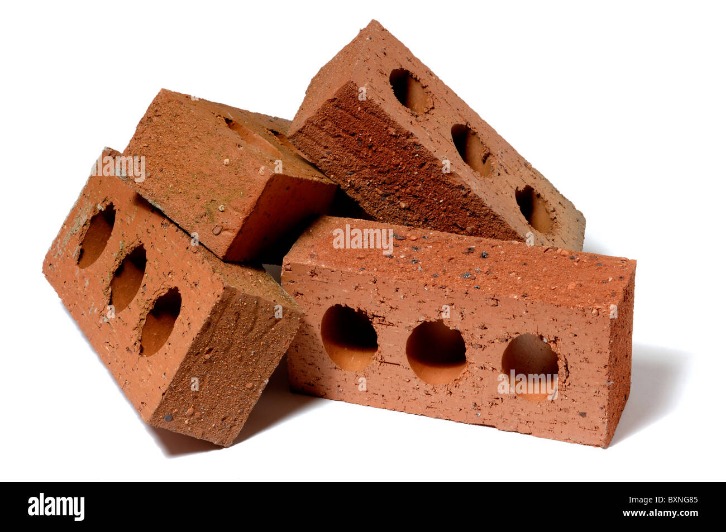
Clay bricks, sand lime bricks, fly-ash clay bricks, and many such specialized variants fulfill various conditions of the environment and architectural needs. Bricks form a greatly diversified market globally, with different types meeting special construction needs. However, the growth of this market is difficult as a result of the irregular cost of raw materials and strict environmental rules.
Brick Market: Museum & Shop
Their strong global presence and brand recognition have contributed to increased consumer trust and loyalty, driving product adoption. Rapid urbanization and populace increase in nations like China and India pressure vast call for creation materials. The market is primarily segregated into Europe, Latin America, Asia Pacific, North America and Middle East & Africa. Frequent fee swings also create economic uncertainty, that may deter new entrants and investments inside the market. Green building certifications and guidelines are pushing the enterprise in the direction of more sustainable practices, that could improve power performance and decrease environmental effect. By integrating current technologies and addressing evolving market needs, those improvements force expanded adoption and stimulate a boom inside the market.
- The COVID-19 pandemic appreciably impacted the Concrete Block and Brick Market size, causing a temporary decline in call for because of disruptions in creation activities.
- Unlock industry potential through cutting-edge research, data-driven insights, and strategic guidance.
- The building once again fell into disrepair in the 1970s-1980s.
- During the preliminary phases of the pandemic, lockdowns, social distancing measures, and delivery chain interruptions led to the suspension or postponement of many construction projects.
- Acme Brick Company represents the best in the industry.
- In the dynamic flow of global construction materials, bricks emerge at the core because of their durability, versatility, and sustainability.
The Museum & Shop At Brick Market Is The Departure Point For Walking Tours And Historic Site Tours
The increase in infrastructure is particularly strong in growing areas, in which urbanization necessitates new construction and preservation tasks. Government projects assisting housing infrastructure and growing consumer desire for single-own family houses in addition propel this demand. The pandemic highlighted the want for adaptable and sustainable construction answers, similarly, influencing market trends. However, the market has shown resilience, with a sluggish recovery as regulations eased and construction sports resumed. The sudden rise in CAGR is attributable to the market’s increase and demand returning to pre pandemic levels once the pandemic is over.
Where To Eat On Brick Lane
The region’s robust economic development has led to a surge in demand for affordable housing and commercial spaces, driving the need for construction materials like bricks. The U.S. consists of a large construction sector, which is increasing the use of bricks in the development of buildings and infrastructure. With a focus on durability and resilience, North America continues to be a significant market for bricks, particularly in residential and commercial construction projects. The region’s well-established infrastructure and a growing trend towards eco-friendly construction contribute to the steady demand for bricks.
Sustainability and environmental concerns significantly force market boom in the concrete block and brick industry. As the construction zone regained momentum, the call for concrete blocks and bricks began to upward push again. The pandemic additionally multiplied the fashion in the direction of greater sustainable and resilient construction practices, increasing the adoption of eco-friendly concrete blocks and bricks. Governments globally implemented stimulus packages and infrastructure development applications to restore economies, which boosted the call for building materials. The demand for sustainable bricks is increasing in the market due to their low carbon footprint and energy-saving properties.
Who Are The Prominent Players Operating In The Bricks Market?
Based on process, the bricks market is bifurcated into extrusion and molding. The residential buildings segment held a large share of the market in 2022 due to the economic expansion and growing middle class and working population. Additionally, these bricks reduce construction time as they are lightweight and easy to easy-to-use design.
This fashion is anticipated to keep, supported by means of authority’s guidelines and investments geared toward modernizing and increasing urban infrastructure. In residential production, the surge is fueled by way of urbanization and the need for less costly housing, especially in emerging economies like India and China. The market’s healing was additionally driven by way of the increasing want for less costly housing and urbanization, specifically in rising economies. During the preliminary phases of the pandemic, lockdowns, social distancing measures, and delivery chain interruptions led to the suspension or postponement of many construction projects. The COVID-19 pandemic appreciably impacted the Concrete Block and Brick Market size, causing a temporary decline in call for because of disruptions in creation activities. The Bricks market is highly fragmented, and the competition is intense.
Geography Analysis

There’s an eclectic mix of food stalls offering innovative Brick Lane street foods, fresh produce, desserts, and more. Brick Lane Market London has several indoor markets under its umbrella. Take a look at some incredible things you can find in this bustling, diverse market. Take a street walking tour and explore this popular London Street and more. Browse the stalls that line the beautiful narrow cobbled street.
North America Brick Market Data And Outlook To 2032
In South America, it covers the market in Brazil, Argentina, and the rest of South America. In the forecast period, Asia-Pacific includes India, China, Japan, South Korea, and rest of Asia-Pacific major economies. They impinge on the structuring and durability of a building structure, equipped to sustain all weather conditions, therefore assuring its long life. Bricks are used to build a sustainable structure that provides not only functionality but creates an effect on the architecture of any building. They decrease the use of mortar and increase construction speed. They are usually dimensioned 3⅝ x 2¼ inches in height and thickness, respectively, and used for a wide range of building projects.
- The Global Brick Market comprises an integral segment of the value chain of the construction materials industry; it lies at the confluence of classic artisanship and modern engineering.
- However, the market has shown resilience, with a sluggish recovery as regulations eased and construction sports resumed.
- The brick market exhibits highly fragmented concentration at the global level.
- Furthermore, the report presents national and regional assessments, considering the dominant forces of supply and demand that influence market growth.
- A prominent trend in the concrete brick segment is the increasing preference for precast concrete bricks, which are manufactured off-site and transported for construction.
Moreover, a sharp fall was witnessed in the construction industry during the pandemic, impeding the sales of bricks as they are the key components in the construction industry used for constructing a wall and other structures. The growing infrastructural development in emerging nations is boosting the demand for bricks as these bricks are used for the construction of walls, floors, arches, and cornices. Compare market size and growth of Brick Market with other markets in Chemicals & Materials Industry Modular construction favors lightweight hollow bricks designed for prefabricated panels, supporting new demand even as it reduces traditional site-laid volumes. The brick market is segmented by brick type, Application, and geography.
The Asia Pacific region is expected to see significant growth in the Bricks market in the coming years due to the growth of the construction industry in the region. Moreover, the growth of the construction industry in emerging economies is also providing opportunities for market growth. Moreover, growing construction activities in the region is propelling the demand for bricks as they are used to construct various types of structures such as walls, arches, and pavements. Autoclaved aerated concrete bricks have excellent durability and thermal insulation properties that keep the building cooler and prevent outside heat from entering. This makes bricks the perfect solution for reconstruction & repair of infrastructure. Growing urbanization worldwide is projected to boost the global bricks market.